
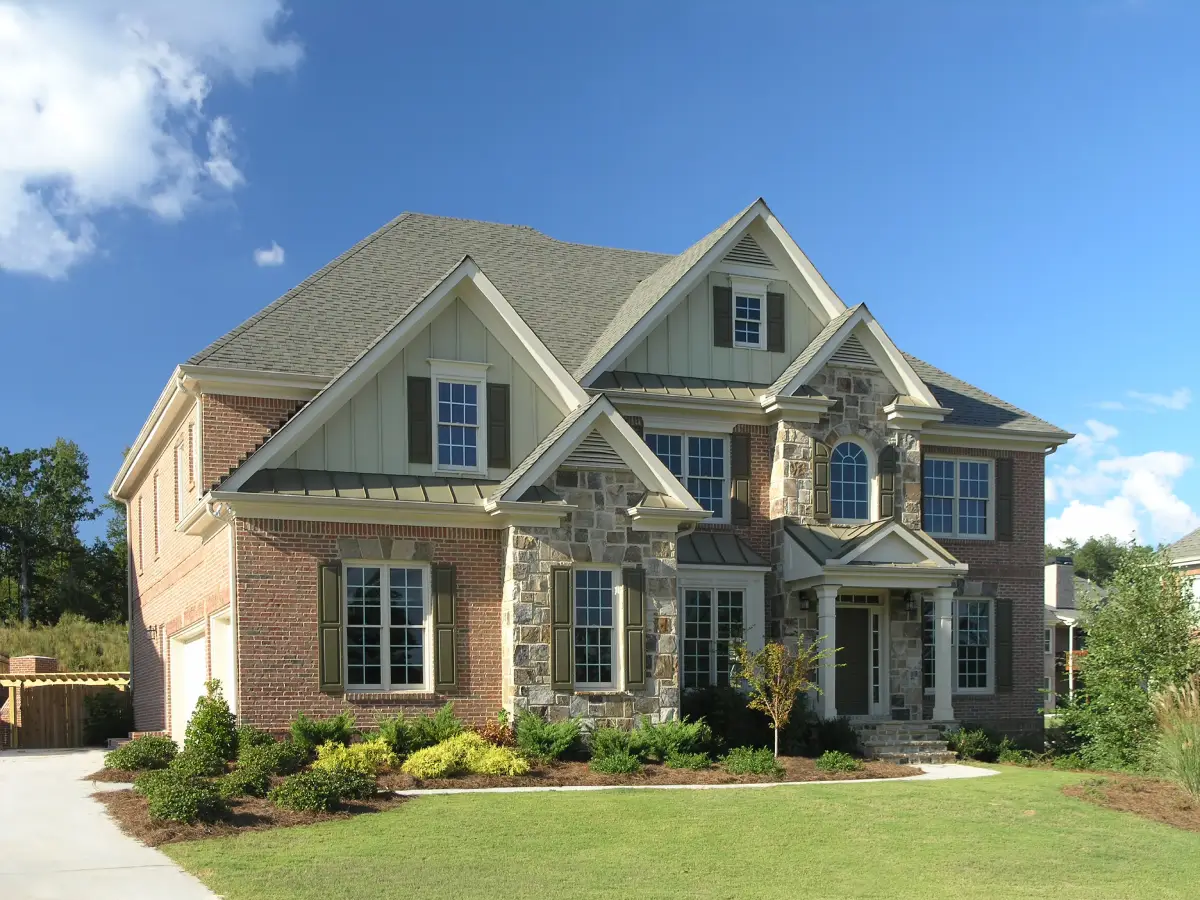
When your rental runs smoothly, it usually isn’t luck. It’s structure. In Huntsville, residential owners who lean into the right property type often notice fewer interruptions and better long-term results, especially when decisions are guided by a solid portfolio planning approach. Single-family rentals tend to stand out here, because they naturally eliminate many of the friction points baked into multifamily ownership.
Market demand reinforces that edge. Detached housing continues to attract renters nationwide, with home values reaching $426,800 in the third quarter of 2025. In growing metros like Huntsville, that preference shapes not only pricing but also how calmly a property operates day to day.
Below, we look at how single-family homes support residential investors who value predictability, control, and a lighter management load.
Key Takeaways
- Single-family rentals reduce tenant conflict by removing shared living spaces.
- Private outdoor areas help increase satisfaction and lease longevity.
- Detached homes allow more flexible pricing without internal competition.
- Maintenance planning is easier when systems serve one household.
- Gradual scaling is more manageable with single-family properties.
Privacy That Cuts Down Daily Noise
Privacy isn’t just about comfort. It plays a direct role in how often problems surface and how complex they become once they do.
Less overlap, fewer disputes
Multifamily buildings concentrate people, systems, and routines. That density makes it easier for small issues to spread. Noise travels. Parking becomes political. Shared hallways turn into shared frustrations.
Single-family homes avoid most of that by design. One household, one roof, one set of expectations. For owners, that often means fewer calls, fewer mediations, and fewer urgent decisions competing for attention.
Cleaner boundaries for management
Without common areas to oversee, the relationship stays straightforward. Tenants are responsible for their space, and owners can focus on the property itself rather than community-style oversight.
For residential investors, this simplicity supports consistent operations without the layered coordination that multifamily properties often demand.
Outdoor Space That Encourages Stability
Outdoor space plays an outsized role in tenant satisfaction, especially in a city where people value room to unwind at home.
Why private yards matter
A fenced yard, driveway, or patio gives tenants flexibility apartments rarely match. It supports hobbies, pets, and everyday routines that don’t involve shared amenities or schedules.
This sense of independence helps rentals feel more permanent, which can translate into longer stays and fewer turnover costs over time.
Broader appeal without extra rules
Pet-friendly policies are easier to manage when tenants have outdoor space. A yard can reduce common pet-related complaints, while also attracting applicants who might otherwise skip apartment living.
If you’re thinking about where your portfolio goes next, insights on next investment steps can help you prioritize features that support retention from the start.
Layouts That Adapt as Life Changes
Floor plans influence how long tenants stay. In Huntsville, single-family homes often win here because they offer room to adjust without forcing a move.
Space that evolves naturally
Extra bedrooms, garages, and defined living areas make it easier for tenants to adjust to remote work, family growth, or changing schedules. An apartment might feel tight after a year, while a home still fits.
That adaptability lowers the pressure to relocate, which benefits both tenants and owners.
Fewer turnovers, steadier income
Each avoided move-out saves on marketing, repairs, and vacancy gaps. Over time, flexible layouts support income stability and reduce the operational drag that frequent turnovers create.
For owners refining how they evaluate properties, practical guidance on rental performance checks can help align layout features with long-term returns.
Pricing Strength Without Internal Competition
Pricing behaves differently when units aren’t competing against each other under the same roof.
Multifamily pricing pressure
In apartment buildings, similar units are often marketed together. One vacancy can force pricing adjustments across multiple listings. Tenants compare easily, which limits flexibility.
Detached homes hold their ground
Single-family rentals compete more by neighborhood, condition, and features than by direct comparison. That allows owners to price based on true value instead of reacting to nearby vacancies.
National trends support this advantage, with reports showing single-family rents running 20% higher than multifamily rents. In Huntsville, that premium reflects both demand and perceived lifestyle benefits.
If you’re adjusting strategy or thinking creatively about growth, ideas shared in smart investing tips can help balance pricing confidence with market awareness.
Maintenance That Stays Contained
Maintenance is often where ownership feels either manageable or overwhelming. Property structure makes a big difference.
Isolated systems simplify repairs
In a single-family home, plumbing, HVAC, and electrical systems serve one household. When something breaks, the scope stays limited. Scheduling is simpler, and costs are easier to forecast.
Fewer chain reactions
Shared systems can turn one repair into several. A plumbing issue in a multifamily building might involve multiple units and access coordination. Detached homes avoid that cascade, keeping maintenance more predictable.
Clear records also matter when paperwork ramps up. Guidance on handling tax documents can help residential owners stay organized as the year closes.
Scaling Gradually Without Losing Control
Growth looks different for every investor, but single-family rentals often support a pace that feels sustainable.
Add properties without overextending
Detached homes allow you to expand one property at a time, adjusting reserves and processes as you go. There’s less pressure to fill large blocks of units all at once.
Systems built for residential ownership
At PMI North Alabama, we focus strictly on residential management. That means our workflows, vendor coordination, and leasing strategies are designed around single-family realities in Huntsville, not high-density buildings.
FAQs about Single-Family Rentals in Huntsville, AL
What types of renters usually choose single-family homes in Huntsville, AL?
Families, long-term residents, and professionals working hybrid schedules often prefer single-family homes for privacy, storage, and outdoor space that supports everyday routines.
Do single-family rentals in Huntsville, AL experience long vacancies?
When priced correctly and well maintained, detached homes often lease quickly because they face less direct competition from identical units nearby.
Are maintenance costs easier to predict with single-family rentals in Huntsville, AL?
Yes. Repairs usually affect one household, which simplifies budgeting and reduces the risk of widespread issues tied to shared systems.
How does rent pricing differ for single-family homes in Huntsville, AL?
Pricing is influenced by neighborhood demand, home condition, and features rather than comparisons to identical units, which allows more flexibility.
Is gradual portfolio growth realistic with single-family rentals in Huntsville, AL?
Many owners scale steadily by adding homes over time, refining processes as they grow without overwhelming their management structure.
A Smarter Path for Residential Ownership
Single-family rentals often succeed quietly. They reduce friction, support longer tenancies, and give owners more control over pricing and maintenance. In Huntsville, those advantages align well with long-term residential goals.
PMI North Alabama helps owners turn that structure into real-world results. Strengthen your rental strategy today by connecting with us through our owner resources and putting experienced residential guidance behind every property decision.
